

- Automating sprint environment setups can significantly reduce setup time.
- Using Jira and the Kinsta API can streamline development processes.
- Manual setup is prone to human error, which automation can minimize.
- Implementing automation can enhance team efficiency and focus on development tasks.
Stop Doing It Manually: Automate Your Sprint Environment with Jira and the Kinsta API
If you’re managing a development team, you know just how challenging it can be to keep track of multiple concurrent sprints. It’s an orchestral feat, ensuring that everyone is working harmoniously towards the common goal while dealing with the inevitable bugs and bottlenecks. However, one of the most tedious tasks often goes unnoticed: setting up your sprint environment. In this article, I’ll demonstrate how automating this process using Jira and the Kinsta API can save you time and reduce headaches.
The manual setup of sprint environments is a relic of the past. In a world where automation can save hours of work and reduce human error, it’s baffling why so many teams still do it the hard way. Setting up environments often involves duplicating databases, copying files, and configuring settings—all ripe for automation. By incorporating Jira and the Kinsta API, you can automate these tasks, freeing your team to focus on development and testing.
With development cycles getting shorter, the need for efficiency is paramount. Teams that automate mundane tasks see substantial gains in productivity and morale. Imagine a world where your sprint environment is ready at the click of a button. This isn’t just a dream—it’s entirely achievable today with the right tools. Let’s explore why this matters and how it can significantly impact your development process.
Why This Matters
In the fast-paced world of technology, time is money. The longer it takes to set up a sprint environment, the more costly it becomes. A manual setup can range anywhere from a few hours to several days, depending on the complexity of the project. This is time that could be better spent on development or testing, rather than mundane setup tasks.
Moreover, the risk of human error increases with manual setups. A missed configuration setting or an improperly copied file could result in hours of troubleshooting. These errors not only delay the development process but also lead to frustration among team members. Automation removes these risks by ensuring consistency in each setup, allowing your team to work efficiently.
Automation also plays a crucial role in agile methodologies, where speed and flexibility are key. Agile teams must quickly adapt to changes, which often requires spinning up new environments at a moment’s notice. Automating this process allows for greater agility, enabling teams to pivot without the usual setup delays.
Deep Dive into Jira and Kinsta API
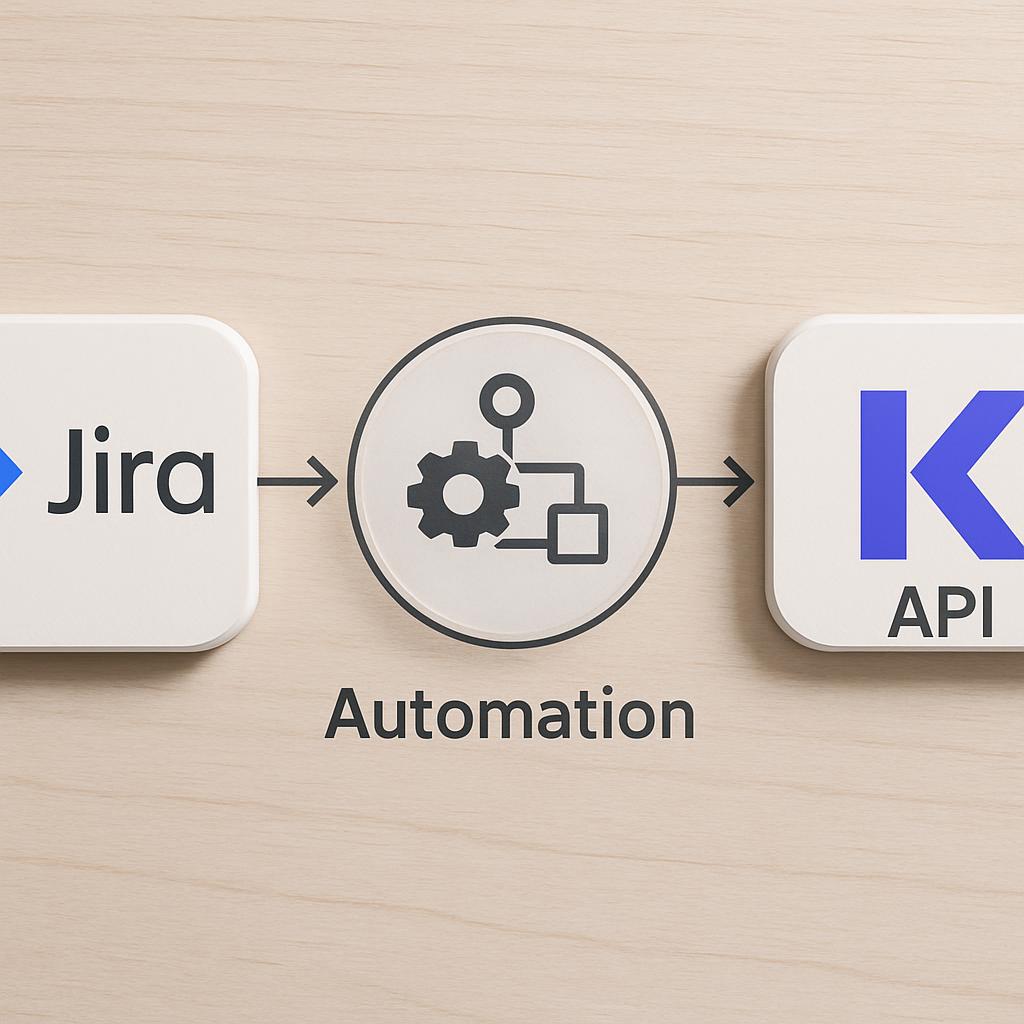
Jira is a powerful project management tool widely used in software development for tracking issues, managing projects, and automating workflows. By integrating it with the Kinsta API, you can automate the creation and management of your sprint environments directly from Jira’s interface. This integration ensures that your environments are consistently set up according to your specifications every time.
The Kinsta API is a developer-friendly platform that allows you to control various aspects of your Kinsta hosting account programmatically. This includes provisioning new environments, managing sites, and accessing live data. By chaining these capabilities with Jira, you can create a seamless workflow that automates the entire process from issue tracking to environment setup.
Imagine triggering an environment setup directly from a Jira ticket. Once the ticket status changes to “In Progress,” a script connected to the Kinsta API can spin up a new environment based on pre-set templates. This level of automation not only saves time but also aligns with agile principles by reducing setup overhead and increasing focus on development tasks.
Case Study: Improved Efficiency and Reduced Errors
Let’s look at a hypothetical case study involving a mid-sized tech company, TechStream Inc. They were facing delays in their development process due to the time-consuming manual setup of sprint environments. This process was not only slow but also prone to errors, leading to wasted hours of debugging and testing.
By automating their environment setup using Jira and the Kinsta API, TechStream Inc. saw a 30% reduction in setup time. Errors related to manual configuration dropped by 50%, resulting in smoother sprints and fewer blockers. The team reported a significant increase in morale as they could focus more on coding and less on setup, directly contributing to a more efficient workflow.
The case study highlights the tangible benefits of automation. By integrating Jira with the Kinsta API, TechStream Inc. was able to streamline their processes, reduce errors, and ultimately deliver projects more efficiently. This example clearly demonstrates the potential impact of automation on development teams.
Comparison Table: Manual vs Automated Setup
| Aspect | Manual Setup | Automated Setup |
|---|---|---|
| Time Required | Several hours to days | Minutes |
| Error Rate | High | Low |
| Flexibility | Limited | High |
| Scalability | Difficult | Seamless |

Practical Tips for Implementation
Implementing automation might seem daunting, but it’s entirely manageable with a step-by-step approach. Start by assessing your current sprint setup process, identifying areas where automation could have the most impact. Next, outline a plan for integrating Jira with the Kinsta API, focusing on the workflow from ticket creation to environment setup.
Ensure your team is on board by demonstrating the benefits of automation. Training sessions can be beneficial to familiarize your team with the new system. Encourage feedback during the implementation phase, as this can help refine the process and address any issues early on.
Once you have the basic integration set up, continuously monitor and refine the process. As your needs evolve, your automation should adapt accordingly. Keep an eye out for updates in both Jira and the Kinsta API, as these can introduce new features to further enhance your workflow.
Conclusion
The traditional manual setup of sprint environments is inefficient and error-prone. By automating this process using Jira and the Kinsta API, you can significantly enhance your team’s productivity and morale. Automation not only saves time but also reduces errors, paving the way for a more agile and responsive development process.
Incorporating automation into your workflow may require an initial investment of time and resources, but the long-term benefits are undeniable. As we’ve seen in our case study with TechStream Inc., automating sprint environments led to a substantial improvement in efficiency and a noteworthy reduction in errors. It’s time to stop doing it manually and embrace the power of automation.
For those interested in implementing this automation solution, consider exploring the tools offered by Kinsta, a reliable partner in hosting and API solutions, which could greatly simplify your process.
Frequently Asked Questions
Recommended Hosting Plans
Disclosure: This post contains affiliate links. We may earn a commission at no extra cost to you.